Wardogs Season 2 Update Explained
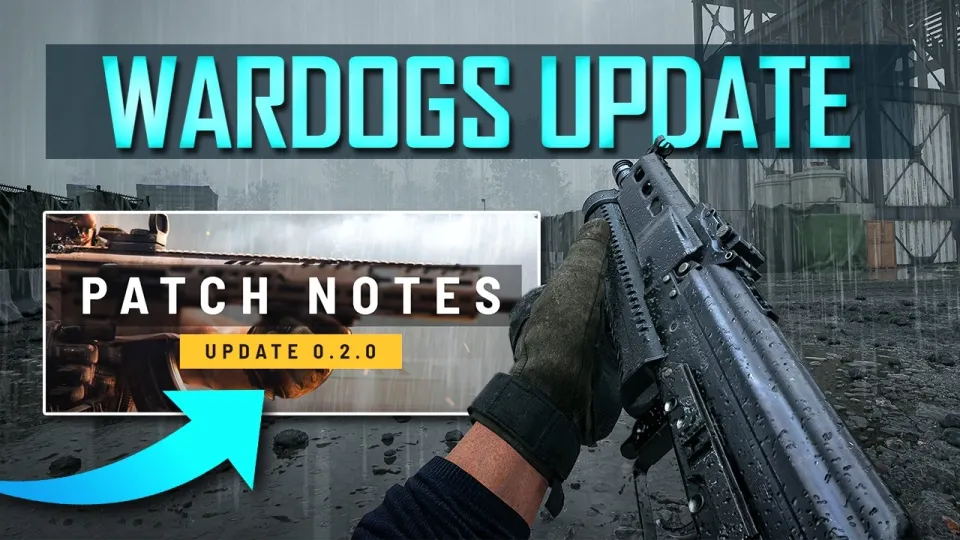
Video: WARDOGS New Season 2 Update ► EVERYTHING You Need To Know
You can order the same kind of articles for your own video to boost it on YouTube and Google. Just message the Telegram bot @sat_sit_bot. The bot writes and publishes the articles itself (with your YouTube video embedded) on popular topical websites (no ads). Try it free: 50 articles on us.
· based on the channel GhostGaming
Key takeaways
- Logistics pallets now pay $1,250 base plus a $2,500 bonus at a 10-drop streak, with the shown numbers calculated outside the combat zone.
- The .50 cal damage was cut by 16%, which lets tier 2 armor survive a shot from the end-game sniper rifle.
- The SKS Bipod price rose by $10, from $800 to $810.
- The minigun Little Bird costs around $14,000 fully loaded with three flares.
- A new anti-air vehicle, the Gepard, joins the vehicle roster in Season 2.
Wardogs Season 2 is a broad economy and balance patch: logistics deliveries pay more per run but demand far more trips, several combat vehicles got more expensive to field, the .50 cal lost 16% of its damage, and low-zoom optics stay locked behind late progression. The update landed on 14 October 2026, and the full patch notes are published on Steam. GhostGaming's breakdown walks through every category of change; you can also catch the creator live on Twitch for full streams and gameplay if you want to see the numbers in action.
What changes in the Wardogs Season 2 update
The headline of the Wardogs Season 2 update is a rework of how money is earned, with logistics, vehicles and infantry all affected at once. The patch touches four main areas:
- Logistics payouts — supply drop-offs now scale with streak bonuses instead of paying a flat rate per pallet.
- Vehicle economy — armed helicopters and other combat vehicles cost more to buy and to re-arm, while anti-air options were adjusted.
- Weapon balance — the .50 cal damage was reduced by 16%, and small price tweaks hit specific attachments.
- Progression — minimalistic low-zoom optics remain late unlocks, which drew the loudest complaints from the community.
Logistics payouts and the streak bonus
Logistics now rewards streak deliveries, but the base pay per pallet is lower than many players first assumed. The key correction from the developers: the streak figures shown in the initial breakdown were calculated outside the combat zone, so the updated numbers in the patch notes are the ones to plan around. A pallet delivered at a 10-drop streak pays $1,250 base plus a $2,500 bonus, which is a meaningful jump over a single run — but only if you keep the chain alive.
The practical consequence is that a driver who makes one long URAL run to top up a FOB no longer earns well. The money now sits at the end of a large number of short, repeated trips, and each trip exposes the truck to the same risks as before. Players who enjoyed logistics as a change of pace from fighting report that the role now asks for three to four times the work for a comparable return, which makes the job less attractive to anyone doing it casually.
Vehicle prices, anti-air and the helicopter economy
The minigun Little Bird is the clearest loser of the update: a fully loaded build with three flares runs around $14,000, and the price increase lands on a platform that was already hard to break even on. If you lose the helicopter early, or burn flares without scoring, the loss is measured in thousands per life, and the reduced .50 cal damage does not compensate for that on its own.
On the other side of the ledger, the arrival of the Gepard anti-air vehicle gives ground crews a dedicated answer to close air support. Combined with existing anti-air options and turret-mounted Brownings, pilots face more threats per sortie than in Season 1. The upside is that the Gepard will not be widespread in the first hours of the season, so early helicopter play may still be viable before the vehicle pool fills out.
Weapon balance: the .50 cal nerf and small price tweaks
The 16% reduction to .50 cal damage changes a real breakpoint: tier 2 armor can now survive a shot from the end-game sniper rifle. The sniper hit zones on the X-ray model refer to the head and neck area, so body shots with the heavy rifle are noticeably less punishing than before. Anyone who relied on the big-bore rifle to one-shot mid-tier opponents needs to re-plan their angles.
Smaller line items in the patch notes drew more attention than their size deserves. The SKS Bipod went from $800 to $810 — a $10 increase that changes nothing in practice — while variable zoom scope keybinds remain unfixed, which is a far more common complaint than any attachment price. Treat the tiny price edits as noise and focus on the damage and economy changes.
Optics progression and what players are asking for
Low-zoom, minimalistic optics such as a simple red dot are still late unlocks, and that is the single most repeated request in the community right now. Players who want a clean sight picture without magnification have to grind through progression they do not want, and the alternative — variable zoom scopes — is hampered by keybind issues. If optics matter to your build, plan your unlock order around the sight you actually intend to use rather than assuming the basic red dot is available early.
Typical player concerns about Season 2
Most of the pushback on the update comes from three groups, and each has a concrete cause. Logistics drivers point out that the role was already unpopular and is now less efficient per trip; FOB builders note that supply nerfs make fortifications slower to complete, and a base with plenty of pallets can still fall because walls go up too slowly. Helicopter pilots argue that higher purchase prices plus more anti-air is a double penalty. Infantry players, by contrast, come out ahead, since almost every other role's income was trimmed while their combat earnings were not.
A separate practical worry is progression speed. With tier 3 and tier 4 armor and heavy vehicles expected to appear within the first few hours of the season going live, the gap between prepared players and everyone else opens fast. Expect the first sessions after launch to be dominated by squads who already have the unlocks and the money to field them.
Official links and patch notes
- Full patch notes on Steam: https://store.steampowered.com/news/app/1867240/view/670630562731396445
- Twitch: http://www.twitch.tv/ghostgaminggg
- Twitter: https://twitter.com/GhostGamingG
- Discord: https://discord.gg/MzkAVCy
- TikTok: https://www.tiktok.com/@ghostgaming_battlefield
Bottom line on the Wardogs Season 2 update
Season 2 shifts money away from support roles and toward infantry combat, and the logistics rework is the change most likely to shape how matches play out. Helicopter pilots should budget for a $14,000 minigun build and assume more anti-air on the field, while snipers need to respect the weaker .50 cal against tier 2 armor. The optics progression and variable zoom keybinds remain open complaints that a future patch could address. For a full walkthrough of every line in the patch notes, watch GhostGaming's breakdown, and follow the channel live on Twitch to see how the new economy holds up in real matches.
Questions & answers
How much does a logistics pallet pay in Wardogs Season 2?
A pallet delivered at a 10-drop streak pays $1,250 base plus a $2,500 bonus. The streak figures shown in early coverage were calculated outside the combat zone, so the patch notes contain the correct values. Single, unstreaked deliveries pay far less than a chained run.
Did the .50 cal get nerfed in the Season 2 update?
Yes, .50 cal damage was reduced by 16%. The practical effect is that tier 2 armor can now survive a shot from the end-game sniper rifle. Sniper hit zones on the damage model are the head and neck, so body shots are less lethal than before.
Why are helicopter pilots unhappy with Season 2?
The minigun Little Bird costs around $14,000 fully loaded with three flares, and the price went up while a dedicated anti-air vehicle, the Gepard, was added. Losing the helicopter early means losing thousands per life, which makes aggressive flying harder to justify.
Is logistics still worth doing after the rework?
It pays better per run if you chain deliveries, but the money now requires many short trips instead of one long URAL supply run. Many players feel the role asks for three to four times the work for a similar return, which makes it harder to find drivers when a FOB needs supplies.
Source: WARDOGS New Season 2 Update ► EVERYTHING You Need To Know · Markdown version